Crawl space care
A drier, cleaner crawl space starts here
Crawl space encapsulation helps protect your home from ground moisture, humid air, and the problems they can create below the floor.
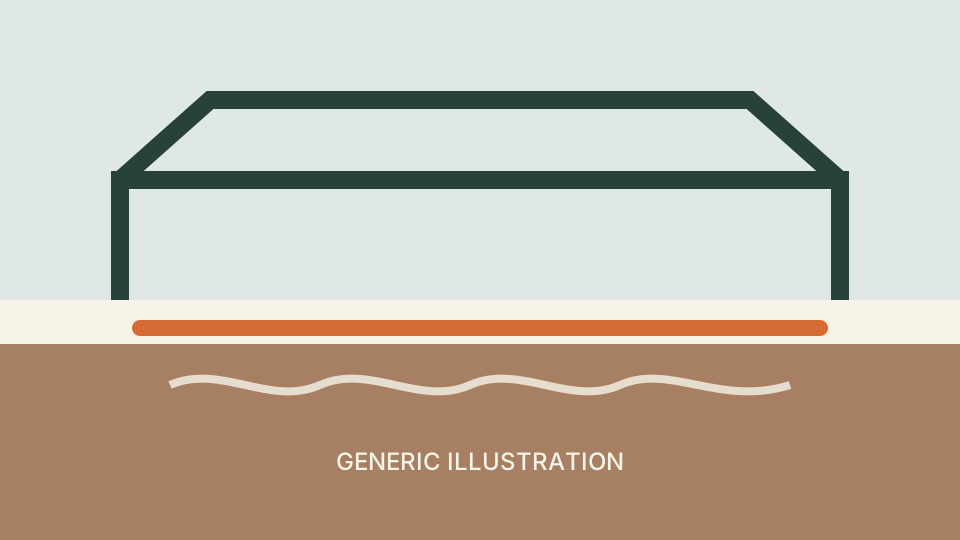
What crawl space encapsulation does
Crawl space encapsulation creates a controlled separation between the space beneath your home and the soil below it. The work commonly begins with correcting obvious water-entry or drainage concerns, then installing a durable vapor barrier over exposed soil and sealing seams, edges, piers, and penetrations where appropriate. Depending on the structure, the plan may also include air sealing, insulation, or humidity control. The goal is to reduce the amount of ground moisture and humid outside air moving through the crawl space, while creating a cleaner, more manageable environment for the floor system, plumbing, wiring, and insulation.
A complete approach to moisture control
Moisture problems rarely come from one identical source in every home. Some crawl spaces need a vapor barrier and sealed seams; others also need better drainage, a plumbing repair, improved air sealing, insulation changes, or a way to manage humidity. A thoughtful approach looks at how water and air are entering, where condensation is forming, and whether existing materials are damp or damaged. The right combination of work depends on the foundation, access, ventilation, soil, and condition of the space.
Built around your home
Every crawl space has its own layout and history. An evaluation should consider the foundation walls, soil, drainage, vents, plumbing, insulation, electrical equipment, access points, and visible signs of moisture before work is recommended. Musty odors, damp insulation, condensation, standing water, or wood that appears soft or discolored are useful details to mention. Good planning starts with the conditions that are actually present rather than assuming one package or material is right for every home.
Have questions about your crawl space?
If you have noticed a musty smell, damp insulation, standing water, condensation, or simply want to understand the space beneath your home, call to talk through what you are seeing. A conversation can help organize the questions that should be answered before any work is planned, including where moisture is coming from, whether drainage needs attention, and which parts of the crawl space should be evaluated first.